How To Get Into University of Liverpool

Dreaming of the University of Liverpool?

A member of the prestigious Russell Group, the University of Liverpool blends world-class research with a warm, welcoming community at the heart of one of the UK’s most vibrant and affordable cities.
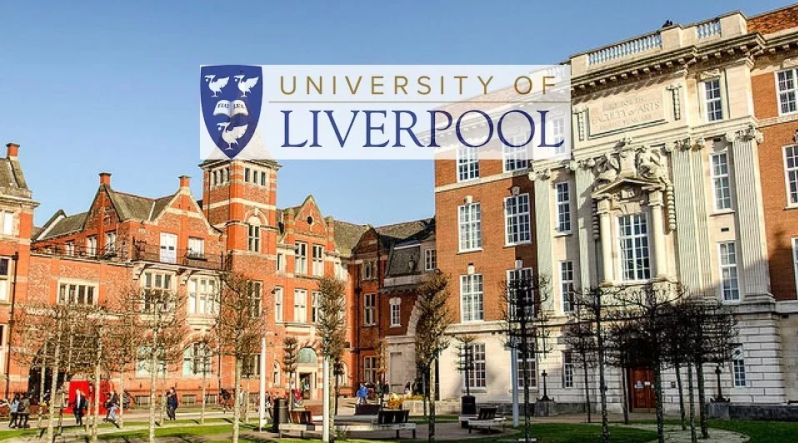
University of Liverpool Admissions
Credit: University of Liverpool

You Might Also Like: How To Get Into Durham University

Why Choose University of Liverpool?

Founded in 1881, the University of Liverpool is a historic institution with a future-forward mindset.

With nine Nobel Prize winners and a reputation for transformative research, University of Liverpool has long been a hub of scientific and social progress.

  • Top 200 globally – QS World University Rankings 2024
  • Russell Group member – elite UK universities for research excellence
  • Liverpool named one of UK’s most student-friendly cities
  • Global research impact in health, engineering, digital, and heritage
  • Campus minutes away from music, culture, and seaside escapes

Learn From Pioneers, Study With Purpose

  • First UK university to establish departments in Oceanography, Civic Design, and Architecture
  • 230+ active research partnerships with global universities and industry leaders
  • Research ties with NASA, CERN, and the European Commission
  • Home to the Materials Innovation Factory, a £81M facility with Unilever
  • Liverpool School of Tropical Medicine (affiliated) is a global leader in infectious disease research

Real-World Research, Real-World Impact

  • £500M+ in research income over five years
  • Flagship centres: Institute of Infection, Veterinary Science, Digital Humanities Hub
  • Work in AI, climate resilience, antimicrobial resistance, data science
  • Liverpool is one of few UK universities with a dedicated Nuclear Science department

Flexible, Future-Focused Degrees

  • Over 400 undergraduate and postgraduate programs
  • Unique interdisciplinary degrees like Data Science + Environmental Science
  • Year in Industry and Study Abroad options
  • Dual-degree partnerships with Xi’an Jiaotong-Liverpool University (XJTLU) in China

Career Outcomes & Global Opportunities

  • 94% of graduates employed or in further study within 15 months
  • Career Studio: Award-winning career support, open 24/7 online
  • Employer links with IBM, AstraZeneca, Jaguar Land Rover, NHS, Deloitte
  • Global alumni network: 258,000+ in 180+ countries
  • Strong links with UN, NHS, WHO, and Fortune 500 companies

Work & Post-Study Options at University of Liverpool

  • Eligible for UK Graduate Route visa (2–3 years)
  • Internships, placements, and part-time work on campus and with local businesses
  • High graduate recruitment in healthcare, biosciences, IT, media, and law

University of Liverpool Admissions

Undergraduate Entry Requirements

CriteriaTypical Expectations
High School Grades80–90% in CBSE/ISC or equivalent
Standardized TestsNot required for UK; SAT/ACT optional for context
English ProficiencyIELTS 6.0–6.5 / TOEFL iBT 88–100 / Duolingo 105–120
Additional RequirementsPortfolio for Design/Architecture, Interviews for Medicine/Dentistry

Postgraduate Entry Requirements

CriteriaTypical Expectations
Undergraduate GPA60–70%+ (First Class/High Second Class)
English ProficiencyIELTS 6.5–7.0 / TOEFL 88–100
GRE/GMATNot generally required unless program-specific
OtherSOP, LORs, resume, and research proposal (for PhD)

Cost & Scholarships at University of Liverpool

ExpenseApprox. Annual Cost (GBP)
Tuition£18,000 – £28,000
Living Expenses£9,000 – £12,000
Health InsuranceFree (with IHS paid)
Application FeeNone for most courses

Scholarships & Awards

NameEligibilityBenefit
Vice-Chancellor’s International Attainment ScholarshipUG students from India & other regionsUp to £5,000 off tuition
University of Liverpool Postgraduate Global ScholarshipAll international PG applicants£2,500–£5,000 based on merit
Chevening/CommonwealthMaster’s level, Indian citizensFully funded tuition, living costs
XJTLU Graduate ScholarshipsFor joint programs with ChinaFull or partial funding

How To Strengthen Your Liverpool Application

ComponentTips
SOPShow curiosity, ambition, and connection to Liverpool’s research strengths. Keep it personal and precise.
Academic ProfileHighlight research, projects, leadership experience. UoL values context and consistency.
Letters of RecommendationFrom teachers/supervisors who know your strengths in academics or initiative.
ExtracurricularsEspecially relevant for Law, Media, and STEM programs. Include awards, coding platforms, or writing portfolios.

Need Personalized Help?

Let Admitix help you apply to the University of Liverpool – from choosing the right course to crafting a powerful SOP. Your UK dream starts here.

Book your consultation today!

FAQs

1. Is the University of Liverpool good for research?

Absolutely – it’s a Russell Group university with major global contributions in science, health, climate, and digital innovation.

2. Is Liverpool safe for international students?

Yes! Liverpool is a friendly, multicultural city with a strong student population and well-connected transport.

3. What is Liverpool known for?

Aside from The Beatles? It’s renowned for veterinary science, infection research, architecture, and civic design.

4. Can I work part-time while studying?

Yes, you can work up to 20 hours/week during term and full-time during breaks.

5. Do they accept Duolingo English Test?

Yes, most programs accept Duolingo (105–120+), IELTS, TOEFL, and PTE.
How To Get Into University of Cambridge

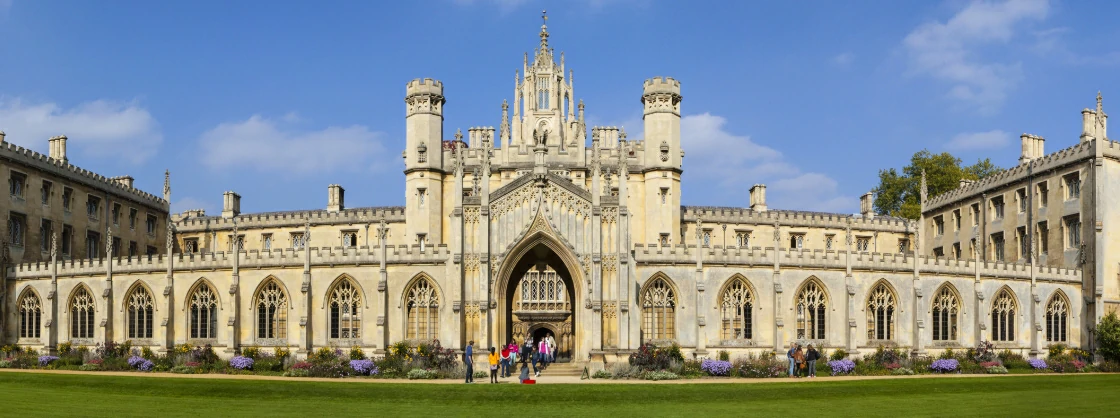
The University of Cambridge is one of the world’s most prestigious universities. Here’s a comprehensive guide on how to get into University of Cambridge as an Indian student, including entry requirements, application process, and tips for success.

University of Cambridge admissions
Photo Credit: University of Cambridge

Why Choose University of Cambridge?

  • Global Ranking: Top 3 worldwide (QS 2024)
  • Student Population: 24,000+ from 140+ countries
  • Location: Cambridge, historic and academic city

Fun Fact: The University of Cambridge was founded in 1209, making it the fourth-oldest university in the world. Its alumni include Sir Isaac Newton, Charles Darwin, and 121 Nobel Prize winners!

Entry Requirements at University of Cambridge

Undergraduate Programs

RequirementDetails
Academic Qualification90–95% in Class XII (CBSE/ISC/State Boards)
English ProficiencyIELTS 7.5 / TOEFL 110 / PTE 90
Admission TestsRequired for most courses (e.g., STEP, BMAT)
InterviewMandatory

Postgraduate Programs

RequirementDetails
Academic QualificationBachelor’s with 75–80% (First Class)
English ProficiencyIELTS 7.5 / TOEFL 110 / PTE 90
GRE/GMATRequired for some business courses
Research ProposalRequired for research degrees

English Proficiency Test Score Comparison

TestMinimum UG ScoreMinimum PG Score
IELTS7.57.5
TOEFL110110
PTE9090

You Might Also Like: How To Get Into University of Edinburgh

Application Process

StepDetails
1. Research CoursesCambridge Course Directory
2. Prepare DocumentsTranscripts, SOP, LORs, English test scores, passport
3. Apply OnlineUCAS for UG, University Portal for PG
4. Pay FeesApplication fee: £60–£100
5. Admission TestRegister and take required tests
6. InterviewAll shortlisted applicants interviewed
7. Offer LetterConditional or unconditional offer
8. Accept OfferPay deposit to secure your place
9. Apply for VisaTier 4 (Student) visa application

Application Timeline

MonthAction
June–AugustResearch courses, shortlist programs
SeptemberPrepare SOP, LORs, take English tests
October 15Submit UCAS application (UG)
November–DecemberRegister for and take admission tests
December–JanuaryAttend interviews (if shortlisted)
January–MarchReceive offers, accept, pay deposit
April–JulyApply for visa, arrange accommodation

Key Deadlines

IntakeApplication OpensApplication Deadline
OctoberSeptember (prev. year)October 15 (UG via UCAS)
RollingPGVaries by course

Pro Tip: For undergraduate applicants, the October 15 deadline is strict – late applications are not accepted.

Popular Courses for Indian Students at University of Cambridge

CourseDurationAnnual Tuition Fee (£)
BA Economics3 years24,507
MPhil Management1 year37,500
BA Engineering3 years35,517
LLM Law1 year35,517

Fun Fact: The University of Cambridge’s Engineering department is one of the largest in the UK and has produced several world-renowned inventors and entrepreneurs.

Scholarships for Indian Students

Scholarship NameAmount (£)Eligibility Criteria
Cambridge TrustFull/PartialUG/PG, academic excellence
Gates CambridgeFullPG, merit-based
Commonwealth ScholarshipFull/PartialPG, merit-based

Scholarship Application Tips

TipWhy It Matters
Apply EarlyScholarships are highly competitive
Tailor Your SOPHighlight achievements and leadership
Provide EvidenceAttach certificates, awards, transcripts
Seek GuidanceUse mentors or advisors for review

Student Life & Support

  • Accommodation: £600–£1,200/month, college-based
  • Part-Time Work: Up to 20 hours/week during term
  • Student Societies: 700+ clubs, including Indian Society
  • Career Services: Internships, placements, and job fairs

Cost of Living Breakdown (Monthly) at at University of Cambridge

ExpenseAverage Cost (£)
Accommodation900
Food200
Transport60
Utilities80
Miscellaneous150

Over 90% of Cambridge students live in college accommodation during their first year, fostering a strong sense of community!

Acceptance Rate & Stats

StatValue
Acceptance Rate~12%
Indian Students (2023)500+
Graduate Employability Rate91%
International Students7,500+

Fun Fact: Cambridge alumni have founded more than 100 tech companies in the “Silicon Fen” area, making it a global innovation hub.

Unique Opportunities at Cambridge

  • Cambridge has over 100 libraries and 31 autonomous colleges.
  • The May Ball, held every June, is a legendary all-night celebration.
  • The university’s rowing team competes in the famous Oxford-Cambridge Boat Race.

How To Get Into University of Cambridge: Quick Checklist

StepAction
1Meet academic and English requirements
2Prepare SOP, LORs, and transcripts
3Apply via UCAS (UG) or University Portal (PG)
4Register for and take admission tests
5Attend interview (if shortlisted)
6Receive and accept offer
7Apply for scholarships and accommodation
8Apply for Tier 4 visa
9Plan your travel and arrival

Top 5 Mistakes to Avoid

  1. Missing the October 15 deadline (UG)
  2. Submitting incomplete documents
  3. Ignoring course prerequisites or admission tests
  4. Weak or generic SOP/research proposal
  5. Not applying for scholarships early

How To Get Into University of Cambridge: Trends & Stats

YearIndian ApplicantsIndian Students EnrolledScholarship Recipients
20211,20035060
20221,50042075
20231,800500+90

The number of Indian students at Cambridge has grown by 40% in the last three years!

Need Personalized Help?

For end-to-end personalized guidance on your study abroad journey, check Admitix today!

FAQs

Q1. What is the minimum IELTS score for University of Cambridge?

A. Most courses require IELTS 7.5 overall.

Q2. Can I apply without final results?

A. Yes, you can apply with predicted grades and submit final results later.

Q3. Are there application fee waivers?

A. Fee waivers are rare but may be available for select PG programs.

Q4. Does Cambridge offer work placements?

A. Yes, many courses offer internships or placement years.

Q5. How long does it take to get an offer?

A. Typically 8–12 weeks after submitting a complete application.

How To Get Into University of Bristol

Photo Credit: University of Bristol

The University of Bristol is a prestigious UK institution, highly ranked for research and student satisfaction.

Here’s a step-by-step guide on how to get into University of Bristol as an Indian student, including entry requirements, application tips, and scholarship info.

Why Choose University of Bristol?

  • Global Ranking: Top 60 worldwide (QS 2024)
  • Student Population: 27,000+ from 150+ countries
  • Location: Bristol, a vibrant, student-friendly city

Fun Fact:

Bristol was the first UK city to be named a European Green Capital and is known for its lively music, art, and food scenes. The city is also home to the iconic Clifton Suspension Bridge and the annual International Balloon Fiesta!

Entry Requirements for Indian Students

Undergraduate Programs

RequirementDetails
Academic Qualification80–90% in Class XII (CBSE/ISC/State Boards)
English ProficiencyIELTS 6.5–7.0 / TOEFL 90–100 / PTE 67–76
Subject PrerequisitesRequired for STEM courses

Postgraduate Programs

RequirementDetails
Academic QualificationBachelor’s with 60–70% (First Class)
English ProficiencyIELTS 7.0 / TOEFL 95 / PTE 67
GRE/GMATNot required except for some business courses

English Proficiency Test Score Comparison

TestMinimum UG ScoreMinimum PG Score
IELTS6.5–7.07.0
TOEFL90–10095
PTE67–7667

University of Bristol Application Process

StepDetails
1. Research CoursesBristol Course Finder
2. Prepare DocumentsTranscripts, SOP, LORs, English test scores, passport
3. Apply OnlineUCAS for UG, University Portal for PG
4. Pay FeesApplication fee: £20–£60
5. InterviewSome courses may require an interview
6. Offer LetterConditional or unconditional offer
7. Accept OfferPay deposit to secure your place
8. Apply for VisaTier 4 (Student) visa application

Case Study: Application Timeline

MonthAction
SeptemberResearch courses, shortlist programs
October–DecemberPrepare SOP, LORs, take English tests
November–JanuarySubmit UCAS/PG applications
February–AprilAttend interviews (if required), receive offers
May–JuneAccept offer, pay deposit, apply for visa
July–AugustArrange accommodation, pre-departure prep

Key Deadlines

IntakeApplication OpensApplication Deadline
SeptemberSeptember (prev. year)January 31 (UG via UCAS)
JanuaryRolling (PG)Varies by course

Pro Tip:

Applying early increases your chances of securing scholarships and preferred accommodation.

Popular Courses for Indian Students

CourseDurationAnnual Tuition Fee (£)
MSc Data Science1 year27,900
MBA1 year33,000
BEng Civil Engineering3 years25,900
LLM Commercial Law1 year21,700

Fun Fact:

The University of Bristol’s Engineering faculty is ranked among the top 5 in the UK for research impact.

Scholarships for Indian Students

Scholarship NameAmount (£)Eligibility Criteria
Think Big Scholarship5,000–20,000UG/PG, academic excellence
Global Citizenship2,500UG, merit-based
GREAT India Scholarship10,000PG, Indian nationals

Scholarship Application Tips for University of Bristol

TipWhy It Matters
Apply EarlyLimited awards, first-come-first-served
Tailor Your SOPHighlight achievements relevant to the scholarship
Provide EvidenceAttach certificates, awards, transcripts
Seek GuidanceUse university or external advisors for review

Student Life & Support

  • Accommodation: £500–£900/month, on-campus and private
  • Part-Time Work: Up to 20 hours/week during term
  • Student Societies: 350+ clubs, including Indian Society
  • Career Services: Internships, placements, and job fairs

Table: Cost of Living Breakdown (Monthly)

ExpenseAverage Cost (£)
Accommodation700
Food180
Transport60
Utilities70
Miscellaneous120

Over 85% of Indian students at Bristol participate in at least one student society, helping them build networks and friendships.

Acceptance Rate & Stats

StatValue
Acceptance Rate~14%
Indian Students (2023)900+
Graduate Employability Rate89%
International Students7,000+

Fun Fact:

Bristol alumni include 13 Nobel Prize winners and the creators of Wallace & Gromit!

You Might Also Like: Russell Group Of Universities

Success StoryUniversity of Bristol

Name: Aarav Mehta

Program: MSc Data Science

Background: B.Tech (IT), Mumbai University, 82%

Journey:

Aarav focused on building a strong profile with internships, coding competitions, and a well-crafted SOP. He applied early, secured the Think Big Scholarship, and now works at a leading UK fintech firm after graduation.

Aarav’s Tips:

  • Start your application process early
  • Attend virtual open days and webinars
  • Connect with current students via LinkedIn
  • Use the university’s career services for internships

Fun Facts & Unique Opportunities

  • Bristol is the UK’s first “cycling city” with over 500 km of cycle paths.
  • The university’s main library is open 24/7 during exam season.
  • Bristol is a UNESCO City of Film and hosts Europe’s largest street art festival.

How To Get Into University of Bristol: Quick Checklist

StepAction
1Meet academic and English requirements
2Prepare SOP, LORs, and transcripts
3Apply via UCAS (UG) or University Portal (PG)
4Pay application fee
5Attend interview (if required)
6Receive and accept offer
7Apply for scholarships and accommodation
8Apply for Tier 4 visa
9Plan your travel and arrival

Top 5 Mistakes to Avoid

  1. Missing application deadlines
  2. Submitting incomplete documents
  3. Ignoring course prerequisites
  4. Weak or generic SOP
  5. Not applying for scholarships early

How To Get Into University of Bristol: Trends & Stats

YearIndian ApplicantsIndian Students EnrolledScholarship Recipients
20211,80060080
20222,300750110
20232,900900+140

The number of Indian students at Bristol has grown by 50% in the last three years.

Need Personalized Help?

Ready to take the next step? If you want expert guidance on how to get into University of Bristol, profile evaluation, SOP/LOR editing, or help with scholarships and visa, check out Admitix today!

FAQs

Q1. What is the minimum IELTS score for University of Bristol?


A. Most courses require IELTS 6.5–7.0 overall.

Q2. Can I apply without final results?

A. Yes, you can apply with predicted grades and submit final results later.

Q3. Are there application fee waivers?

A. Fee waivers are rare but may be available for select PG programs.

Q4. Does Bristol offer work placements?

A. Yes, many courses offer internships or placement years.

Q5. How long does it take to get an offer?

A. Typically 4–8 weeks after submitting a complete application.

MBA or MS Abroad? Which is Better for Your Career?

Choosing between an MBA or MS abroad is a major decision for Indian students. Both degrees offer unique advantages, but which is better for your career?

This blog compares MS vs MBA for Indian students, covering differences in curriculum, career prospects, ROI, and more. Let’s break down the MBA or MS debate for Indian students!

MBA or MS Abroad

Difference Between MS and MBA Abroad

AspectMBA (Master of Business Administration)MS (Master of Science)
FocusManagement, leadership, business strategyTechnical/scientific fields (e.g., engineering, data science)
EligibilityOften requires prior work experienceTypically does not require work experience
CurriculumBroad, managerial, includes finance, marketing, operationsSpecialized, technical, research-oriented
Career PathPrepares for leadership, management, consulting, entrepreneurshipLeads to technical, analytical, or research roles
Degree OutcomeSuited for business and executive careersSuited for technical and academic/professional careers

Additional Insights:

The MBA curriculum typically includes courses in marketing, finance, operations, and human resources, often with real-world case studies and group projects.

In contrast, MS programs dive deep into a specific subject, such as Artificial Intelligence, Biotechnology, or Financial Engineering, and may require a thesis or research project.

This means that:

While MBA students develop a holistic understanding of business operations,

MS students become subject-matter experts in their chosen field.

Which is Better: MS or MBA for Indians?

ProfileRecommended DegreeWhy
Engineering GraduatesMS or MBAMS to deepen technical skills; MBA for transitioning into management
Career ChangersMBAHelps shift into new industries, leadership, or business roles
Fresh GraduatesMSFewer work experience requirements; strong technical foundation
Aspiring EntrepreneursMBAOffers business strategy, networking, and leadership skills
Research-Oriented CandidatesMSIdeal for technical mastery and academic or R&D careers
Experienced ProfessionalsMBABuilds leadership potential and accelerates career growth

Tip: Consider your long-term career vision before choosing.

Real-World Example:

If you are a software engineer aiming to become a CTO, an MS in Computer Science can help you master advanced technical skills. Whereas, an MBA can prepare you for executive decision-making and team leadership.

Similarly, someone from a non-technical background, such as commerce or humanities, may find an MBA more suitable for pivoting into business roles.

MBA or MS – Scope in India and Abroad

  • MS Scope: High demand in STEM fields, research, and academia.
  • MBA Scope: Strong demand in consulting, finance, marketing, and entrepreneurship.

MBA or MS Career Prospects

DegreeTypical RolesIndustries
MSData Scientist, EngineerTech, Research, Academia
MBAManager, Consultant, AnalystBusiness, Finance, Startups

Industry Trends

AspectMS GraduatesMBA Graduates
Global DemandGrowing in AI, Data Analytics, Renewable EnergyHigh in leadership, strategy, and management roles
Demand in IndiaSought after by MNCs setting up R&D centersIn demand at startups, consulting firms, and global corporations

MBA or MS Salary Comparison India

CategoryMS GraduatesMBA Graduates
Starting Salary (India)₹8–15 lakhs per annum₹10–25 lakhs per annum (especially from top global schools)
Starting Salary (US)$80,000–$120,000 per year (CS/Data Science)$120,000+ per year, plus bonuses (from top B-schools)
Salary GrowthDepends on role and industryOften 100%+ increase post-MBA from top US schools
Influencing FactorsInstitution reputation, field, experiencePrior experience, networking, institution reputation

MBA or MS Abroad ROI for Indian Students

CategoryMS GraduatesMBA Graduates
Cost vs ROILower tuition and living cost, moderate ROIHigher cost, but potentially faster ROI due to higher salaries
Scholarships/SupportAssistantships, part-time work, scholarships often availableScholarships, part-time work, and networking opportunities available
Additional ConsiderationsConsider visa rules, job market, and post-study work optionsStrong alumni networks, global mobility, and broader leadership roles

MBA or MS Abroad: Admission Requirements

RequirementMSMBA
Educational BackgroundBachelor’s degreeBachelor’s degree
Standardized TestsGRE/GMAT (sometimes optional)GMAT/GRE
Work ExperienceNot typically required2–5 years usually required
English ProficiencyRequired (e.g., TOEFL/IELTS)Required (e.g., TOEFL/IELTS)

Example: Top MBA programs like Harvard or INSEAD require strong leadership experience, while MS programs focus on academic records.

You Might Also Like: Harvard or Wharton MBA: Which is Better for You?

MBA or MS Abroad: Work Visa

AspectMS GraduatesMBA Graduates
Eligible CountriesUS, Canada, UK, AustraliaUS, Canada, UK, Australia
Work Visa ProgramsOPT in US (up to 3 years for STEM), PGWP in Canada, Graduate Route in UKOPT in US (typically 1 year), PGWP in Canada, Graduate Route in UK
DurationUp to 3 years (for STEM in US); varies by country1–2 years typically; varies by country and program
Key AdvantageExtended stay for STEM grads; strong support in tech fieldsAccess to global job markets and leadership roles through post-study work visas

Make the Right Choice for Your Career

Both MS and MBA abroad offer excellent opportunities for Indian students. The best choice depends on your background, interests, and career goals.

Explore more resources and personalized guidance at Admitix to make an informed decision.

Q. What is the main difference between an MS and an MBA abroad?


A. An MS focuses on technical or scientific expertise, while an MBA emphasizes business management and leadership skills.

Q. Can I pursue an MBA abroad without work experience?


A. Most top MBA programs require 2–5 years of work experience, but some universities offer early-career or fresh graduate MBA options.

Q. Which degree offers better job prospects in India: MS or MBA?


A. Both offer strong prospects, but MS is preferred for technical roles, while MBA is valued for management and leadership positions.

Q. Are scholarships available for Indian students pursuing MS or MBA abroad?


A. Yes, many universities and organizations offer scholarships, assistantships, and financial aid for both MS and MBA programs.

Q. How do I decide between MS and MBA for my career?


A. Assess your background, career goals, and interests. If you want to deepen technical skills, choose MS; if you aim for leadership or business roles, opt for MBA.