 Popular Topics
Popular Topics
- AI/ML
- All About Universities
- Australia
- Canada
- Data Science / Analytics
- Denmark
- Dubai
- Environmental / Sustainability
- Finland
- France
- Germany
- Ireland
- Latest News
- Malaysia
- MBA/ Business
- Middle East
- New Zealand
- Poland
- Post Study & PR
- Program Selection
- Qatar
- Saudi Arabia
- Scholarships
- Spain
- STEM / Engineering
- Student Visa
- Study Destination
- Study Options By Subject
- Sweden
- Tests & Grades
- Thailand
- The Netherlands
- Travel, Stay, Culture Training
- UAE
- UK
- USA
-
 All About Universities
 1,419 Views
Harvard or IIT: A Comparison For Indian Students
- April 15, 2025
- 8 minutes
- Admitix Editorial Team
-


-
 All About Universities
1,282 Views
All About Universities
1,282 Views
How To Get Into The University Of New South Wales (UNSW)
- April 18, 2025
- 5 minutes
- Admitix Editorial Team
-
-
 Study Destination
1,235 Views
Study Destination
1,235 Views
Living And Studying In London As Indian Students
- April 17, 2025
- 6 minutes
- Admitix Editorial Team
-
-
 All About Universities
912 Views
All About Universities
912 Views
How To Get Into The University Of British Columbia (UBC)
- April 21, 2025
- 6 minutes
- Admitix Editorial Team
-
267 Views
How To Get Into Dublin City University (DCU)
- June 9, 2025
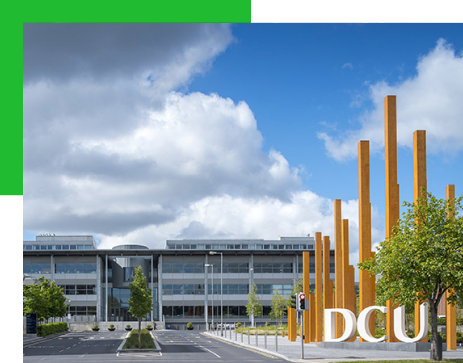
Dublin City University (DCU) is one of Ireland’s most innovative and career-focused universities, recognized globally for its commitment to enterprise, research excellence, and student success.
Established in 1989 as a university (with origins as the National Institute for Higher Education since 1975), DCU has quickly built a strong international reputation for offering transformative, real-world education in a dynamic campus setting.
Why Choose Dublin City University?
DCU offers students a future-facing education, a vibrant campus life, and direct access to one of Europe’s fastest-growing job markets – Dublin’s tech and business hub.
| Feature | Details |
|---|---|
| Global Ranking | Top 500 (QS 2025) |
| Student Population | Over 18,000 students (including 3,000+ international students) |
| Location | North Dublin, multiple campuses (Glasnevin, St. Patrick’s, All Hallows) |
| Reputation | Known for business, engineering, communications, and education |
| Graduate Employability | Ranked #1 in Ireland for graduate employment (QS 2023) |
| Research Excellence | Leading in digital innovation, healthtech, and sustainability |
Entry Requirements for International Students
DCU welcomes international students from over 120 countries, offering clear application processes and extensive academic support services.
Undergraduate Programs at DCU
DCU’s undergraduate programs emphasize academic rigor and hands-on learning, with many offering optional paid internships or international exchange options.
| Requirement | Details |
|---|---|
| Academic Qualification | 75–90% in Class XII (CBSE/ISC/State Boards) or equivalent |
| English Proficiency | IELTS 6.5 / TOEFL iBT 92+ |
| Standardized Tests | Not required |
| Application System | Via CAO or DCU’s international admissions portal |
| Personal Statement | Recommended |
| Letters of Recommendation | Optional |
| Extracurricular Profile | Encouraged for competitive or creative programs |
Postgraduate Programs at DCU
DCU offers a wide array of postgraduate degrees across business, science, education, humanities, and engineering, often with strong links to industry or public research institutions.
| Requirement | Details |
|---|---|
| Academic Qualification | Second Class Honours (55–70%) or higher |
| English Proficiency | IELTS 6.5+ / TOEFL iBT 92+ |
| GRE/GMAT | Not required |
| Work Experience | May be required for specific programs (e.g., MBA, MSc in Finance) |
| Research Proposal | Required for MPhil/PhD |
| Letters of Recommendation | Typically 2 required |
You Might Also Like: How To Get Into Technological University Dublin (TU Dublin)
Application Process to Dublin City University
DCU offers an intuitive application pathway, with guidance available at every step for international applicants.
| Step | Details |
|---|---|
| Research Courses | Explore programs via DCU’s official website |
| Prepare Documents | Academic transcripts, English test scores, SOP, LORs |
| Apply Online | Via CAO (UG) or DCU Postgraduate Application Portal |
| Pay Fees | Application fee ~€35–€50 |
| Receive Offer | Rolling offers; typically within 4–6 weeks |
| Accept Offer | Confirm admission by paying deposit |
| Apply for Visa | Through INIS (Irish Naturalisation and Immigration Service) |
Required Documents Checklist
| Document | Undergraduate | Postgraduate |
|---|---|---|
| Academic Transcripts | Yes | Yes |
| Statement of Purpose | Recommended | Yes |
| Letters of Recommendation | Optional | Yes (2–3) |
| English Test Scores | Yes | Yes |
| Passport Copy | Yes | Yes |
| CV/Resume | Optional | Required |
| Portfolio (if applicable) | For media/design programs | If applicable |
Key Deadlines at Dublin City University
| Intake | Application Opens | Deadline |
|---|---|---|
| Fall (UG & PG) | October (previous year) | UG – February 1 (via CAO); PG – Rolling |
Important Dates for 2025 Entry
| Event | Date |
|---|---|
| UG Application Deadline | February 1, 2025 (via CAO) |
| PG Application Deadline | Varies by program; typically April–July 2025 |
| Scholarship Deadline | March–May 2025 |
| Visa Application | May–July 2025 |
| Course Start | September 2025 |
Popular Courses at Dublin City University
Dublin City University, highly regarded for its strong links to the tech, communications, and education sectors, offers programs that reflect real-world needs and global trends.
| Course | Duration | Annual Tuition Fee (EUR) |
|---|---|---|
| BSc in Computer Applications | 4 years | €15,000 – €16,500 |
| BA in Communication Studies | 3 years | €14,000 – €16,000 |
| MSc in Digital Marketing | 1 year | €16,000 – €17,500 |
| MSc in Data Analytics | 1 year | €16,500 – €18,000 |
| PhD in Biotechnology / Engineering | 3–4 years | Funded/variable |
Scholarships for International Students
DCU offers a range of scholarships to support academic excellence and broaden access for students from diverse backgrounds.
| Scholarship Name | Amount (EUR) | Eligibility Criteria |
|---|---|---|
| DCU International Merit Scholarships | €1,000–€2,000 | Based on academic performance |
| South Asia and Africa Scholarships | €2,000+ | Country-specific support |
| Government of Ireland Scholarships | Full tuition + stipend | Competitive and prestigious |
Student Life & Support at DCU
With a welcoming atmosphere and comprehensive student services, DCU ensures students thrive academically, socially, and personally.
| Feature | Details |
|---|---|
| Accommodation | On-campus residences and off-campus support |
| Part-Time Work | 20 hours/week during term time |
| Student Societies | 100+ societies and sports clubs |
| Career Services | Internships, employer sessions, CV clinics |
| Health & Wellbeing | On-site doctors, counselors, and wellbeing programs |
| International Support | Orientation, immigration help, buddy programs |
Need Personalized Help?
If you’re seeking a university known for employability, innovation, and real-world impact, Dublin City University might just be your perfect fit.
Platforms like Admitix can guide your journey with tailored advice, SOP feedback, and end-to-end visa assistance.
FAQs – Dublin City University
Is DCU a good university?
Yes, DCU is globally ranked and highly regarded for its career-focused programs and graduate employment rates.
Do I need IELTS or TOEFL?
Yes, unless you’ve studied in an English-medium institution for at least 5 years.
Can international students work part-time?
Yes, you’re allowed to work up to 20 hours/week during semesters and 40 hours/week during breaks.
Are scholarships available for international students?
Yes. DCU offers merit-based and regional scholarships, along with Government of Ireland funding.
What makes DCU unique?
Its combination of innovation, industry ties, and a supportive campus environment in one of Europe’s tech capitals.